As a homeowner, it’s natural to seek ways in which to enhance your property, and one way to do this is by having new windows installed.
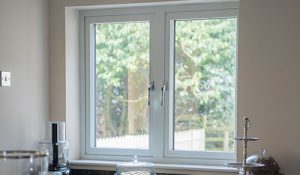
There are of course many window styles to choose from, from casement and sash windows to tilt & turn and bay and bow windows.
But another important factor to consider is the type of glazing for your new windows – single glazing or double glazing.
Each has its own set of advantages and drawbacks, and it can get confusing trying to decipher which option is best.
Here, Global Windows has put together a comprehensive guide on single and double glazing – keep reading to explore which option best suits your needs.
What is window glazing?
Window glazing refers to the pane of glass that is set within a window frame. This glass can come in different configurations, including double or single panes, and plays a crucial role in controlling factors such as insulation and energy efficiency in a building.
What is single glazing?
Single glazing refers to a window configuration in which a window is made up of a single pane of glass within the window frame. This type of window construction offers minimal insulation and tends to be less effective at regulating temperature and sound compared to double glazing.
What is double glazing?
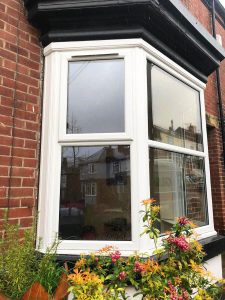
Double glazing is a window construction method that involves the use of two separate panes of glass within a window frame, with a gap of air or inert gas, typically argon or krypton, between them. This gap provides a layer of insulation that helps to reduce heat transfer, making double glazing more energy-efficient and effective at controlling temperature and sound compared to single glazing.
Double glazing is a popular choice for modern windows because it offers improved insulation and can help reduce energy costs by keeping the indoor environment more comfortable. It also provides better sound insulation, making it a preferred option for areas with high noise levels.
Single glazing vs. Double glazing
| PROPERTY | SINGLE GLAZING | DOUBLE GLAZING |
| Use in conservation and protected areas | In strict conservation areas, often only single glazing is permitted in order to maintain and conserve protected buildings. | Double glazed windows in conservation areas are typically problematic when it comes to planning permission as they are deemed to detract from the unique characteristics of older properties. |
| Cost considerations | As it’s made using less glass and thinner frames, single glazing is cheaper to buy and install compared to double glazing. | Double glazing is more expensive than single glazing, as it requires twice as much glass to be constructed, holds a more complicated design, and needs a bigger frame for installation. |
| Insulating properties | Single glazing offers poor insulation, as heat easily escapes through the single pane of glass. This means that if it’s colder outside, you will lose a lot of heat from your home.
|
Double glazing offers excellent insulation, thanks to two sheets of glass acting as an insulative barrier between the indoors and outdoors, preventing heat loss by trapping the warm air inside. |
| Soundproofing properties | Sounds can travel more easily through single glazed windows as single glazing is thinner. One sheet of glass in single-glazed windows won’t offer you adequate sound insulation against noise pollution.
|
The added thickness provided by double glazed windows helps with noise reduction, keeping your home quieter and protected from outside noise. |
| Energy efficiency | Single glazing is not energy-efficient, as it lacks multiple insulative layers and causes significant energy loss.
|
Double glazing offers excellent thermal efficiency, meaning less energy output is needed to heat your home, reducing your energy bills. |
| Security | Single glazed windows are easy to break, and are therefore not as safe as double glazed windows, putting your home at risk of potential break ins.
|
Double glazing is inherently strong, making it much more difficult to break and therefore providing better security for your home. |
| Condensation | Single glazing is prone to condensation. When warm air cools down on a cold surface it condenses, turning into a layer of water. The thinness of single glazing means it often acts as a cool surface and subsequently causes condensation. | Condensation is limited with double glazing thanks to the insulating layer of gas or air between the panes. |
What’s the best choice of glazing?
After evaluating the features of both single and double glazing, it’s evident that double glazing is the ideal choice, as it provides better insulation, energy efficiency and security for your home.
Double glazed windows have a stronger structure that’s reinforced by two glass panes, enhancing your home’s safety and improving its thermal performance, ultimately making it the most cost-effective option long term.
Transform your home with new double-glazed aluminium or uPVC windows from Global Windows
As leading installers of premium quality new and replacement windows, Global Windows has an excellent range of energy-efficient and secure double glazed windows that are perfect for both modern and traditional homes.
Our range includes:

- Casement windows – Our casement windows are a cost-effective way to improve your home’s energy efficiency, security, and aesthetic appeal. The most popular window choice for UK homeowners, casement windows are the window of choice for a wide variety of home improvement projects.
- Sash windows – Sash windows replicate original wooden windows and are synonymous with period architecture and traditional properties. At Global Windows, our sash windows will complement your home’s style and help to maintain its character without compromise.
- Tilt & turn windows – Tilt & turn windows are a practical and innovative window design for the modern homeowner. Their dual opening system allows easy access to the outside of the window pane for cleaning and the wide opening arc provides excellent levels of ventilation.
- Bay and bow windows – Bay & bow windows are perfectly suited to all types of property. They increase natural light intake and offer panoramic exterior views from the inside of your home.
- Flush sash windows – Flush sash windows are designed to replicate the look of timber. The sashes close into the frame and finish flush with the face of the window.


All our windows are high performance and low maintenance, and are available in a wide selection of colours, materials, customisation options and hardware options to suit your specific requirements.
For further information on our range of double glazed windows, get in touch with a member of our expert team today and we’ll be happy to book a consultation or offer you a free, no-obligation quote. You can contact us by either giving us a call on 0114 288 95 95, or by completing our online contact form.